Introduction: The Nerve Center of Emergency Care
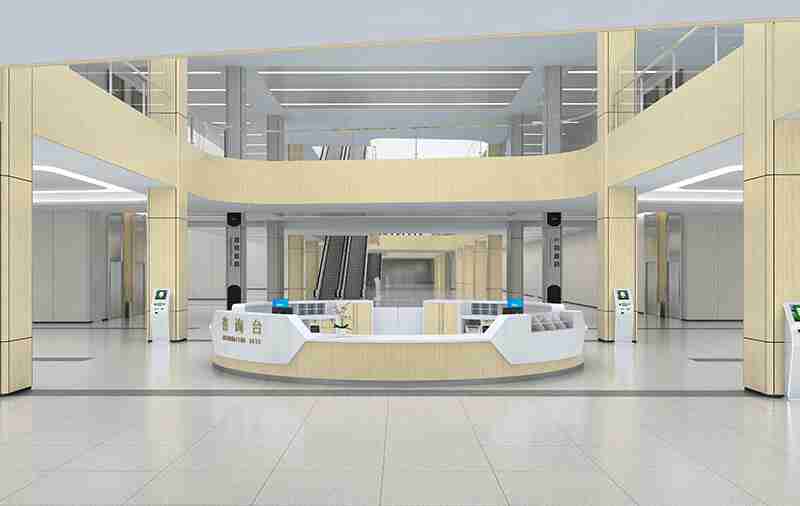
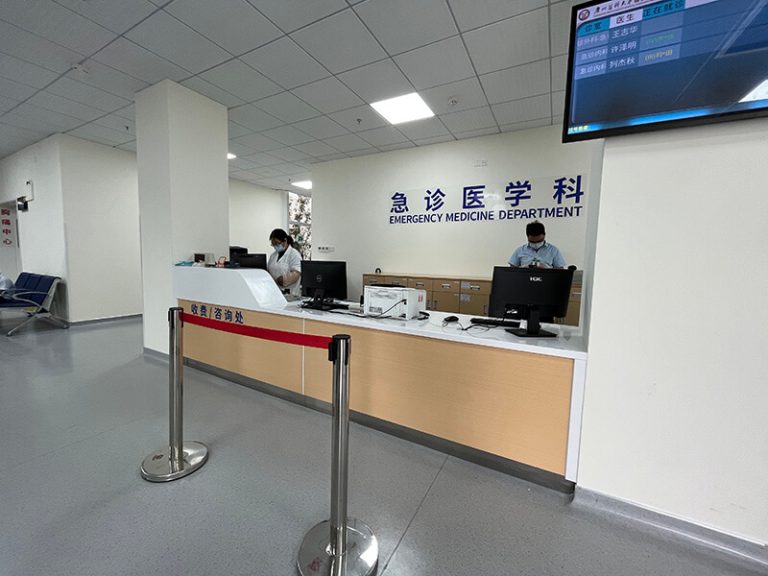
The emergency department nursing station serves as the central nervous system of any hospital’s emergency care unit. This dynamic workspace is far more than just a desk for charting—it’s a multifaceted command center where critical decisions are made, interdisciplinary collaboration occurs, and patient care is coordinated under intense pressure. The design, layout, and functionality of this space directly impact staff efficiency, communication effectiveness, patient safety, and ultimately, clinical outcomes.
In today’s healthcare environment, ED nursing stations must balance competing priorities: providing visibility to patient care areas while accommodating complex technology systems; enabling team communication while supporting focused individual work; maintaining infection control standards while facilitating efficient workflow. This comprehensive examination explores the essential components, design considerations, and emerging trends that define modern emergency department nursing stations.
Functional Zones Within the ED Nursing Station
Central Command Area
The primary workspace serves as the station’s core, typically featuring:
- Charting stations with adjustable height desks to accommodate both seated and standing work positions
- Integrated power and data solutions with accessible outlets and connectivity ports for mobile devices
- Ergonomic seating designed for quick transitions between sitting and standing positions
- Task lighting that reduces glare on computer screens while providing adequate illumination for paperwork
Communication Hub
Effective communication systems are vital in emergency settings:
- Visual status boards (digital or analog) displaying patient status, room assignments, and team assignments
- Integrated communication systems combining phone, paging, and alert notification functions
- Designated areas for physician-nurse consultation with immediate access to patient information
- Secure medication storage with controlled access near the communication center
Clinical Support Areas
These adjacent spaces support the main nursing station:
- Medication preparation zones with appropriate lighting, surfaces, and equipment
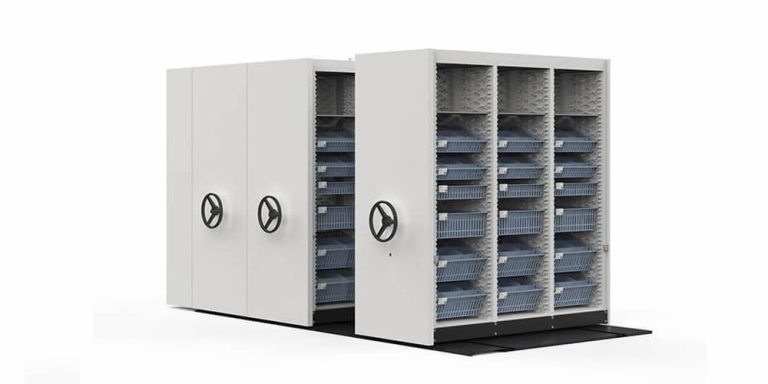
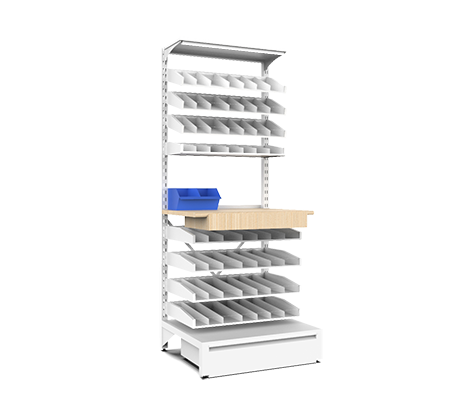
- Supply storage areas organized for rapid access to frequently used items
- Equipment charging stations for mobile devices, monitors, and portable equipment
- Hand hygiene stations strategically placed at all entry points
Design Considerations for Optimal Performance
Visibility and Line of Sight
The nursing station design must prioritize visual access to patient care areas:
- Strategic elevation that allows staff to maintain visual contact with most patient bays
- Glass partitions instead of solid walls to maintain visibility while reducing noise
- Minimal visual obstructions from equipment, furniture, or structural elements
- Sight lines to waiting areas to monitor patient arrivals and potential emergencies
Ergonomics and Staff Well-being
Emergency departments experience high staff turnover due to burnout, making ergonomics crucial:
- Adjustable work surfaces that accommodate staff of different heights and preferences
- Anti-fatigue flooring in areas where staff stand for extended periods
- Proper monitor placement to reduce neck strain and eye fatigue
- Adequate personal storage to keep workspaces clear and organized
Infection Control and Materials
The nursing station must support rigorous infection prevention protocols:
- Non-porous surfaces that can withstand frequent cleaning with hospital-grade disinfectants
- Seamless construction with minimal cracks or joints where pathogens could accumulate
- Antimicrobial materials incorporated into high-touch surfaces
- Easy-to-clean textures on all work surfaces, keyboard trays, and storage areas
Technology Integration
Modern emergency care relies heavily on technology:
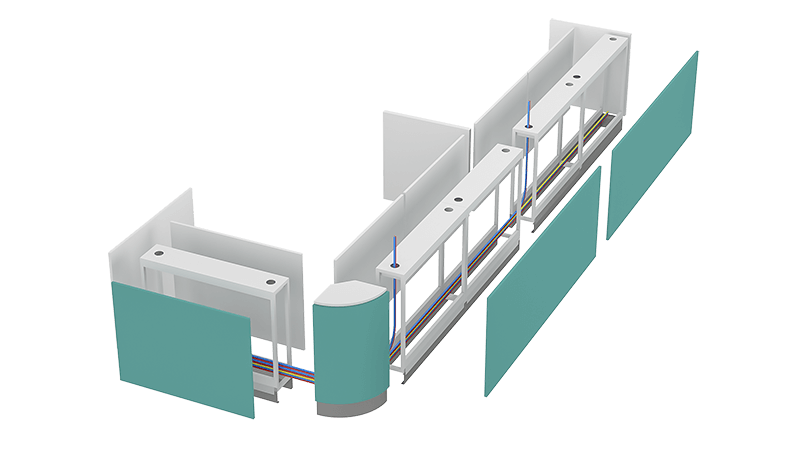
- Cable management systems that organize wires while allowing for equipment reconfiguration
- Power redundancy to maintain operations during power interruptions
- Data security considerations for computer screen placement and privacy protections
- Integration points for portable devices and equipment
Trends in Emergency Department Nursing Station Design
Hybrid Layouts: Centralized and Decentralized Stations
Many facilities are adopting a combination of:
- Main central stations for primary coordination and communication
- Sub-stations or alcoves located closer to patient clusters for focused work
- Mobile workstations that allow documentation at the point of care
- Specialized zones for specific functions like triage or trauma coordination
Technology Advancements
Emerging technologies are transforming nursing station functionality:
- Voice-activated systems for hands-free communication and documentation
- Real-time location systems (RTLS) to track staff, patients, and equipment
- Integrated dashboard displays providing situational awareness of department status
- Telemedicine integration points for consulting with specialists remotely
Flexible and Adaptable Designs
Modern stations are built to accommodate change:
- Modular components that can be reconfigured as needs evolve
- Scalable solutions that can expand with department volume changes
- Future-proof infrastructure with extra capacity for new technologies
- Multi-purpose spaces that serve different functions at different times
Human-Centered Design
Increasing focus on staff experience and well-being:
- Acoustic management to reduce noise pollution and improve concentration
- Natural lighting integration where possible to reduce eye strain and support circadian rhythms
- Breakout spaces for momentary respite during stressful shifts
- Biophilic design elements that incorporate nature to reduce stress
Implementation Considerations
Workflow Analysis
Before designing or renovating a nursing station:
- Conduct time-motion studies to understand current workflow patterns
- Solicit staff input from all user groups (nurses, physicians, technicians)
- Identify pain points in the current layout and processes
- Map patient and staff movement patterns to optimize placement
Budget and Resource Planning
Key financial considerations include:
- Lifecycle costing rather than just initial investment
- Phased implementation strategies for major renovations
- Technology infrastructure as a significant budget component
- Future maintenance requirements for different materials and systems
Regulatory Compliance
Nursing stations must adhere to various standards:
- Joint Commission requirements for medication security and infection control
- HIPAA compliance for patient privacy protections
- ADA accessibility standards for all work areas
- Local building codes for healthcare facilities
Measuring Success: Key Performance Indicators
After implementing a new nursing station design, evaluate its effectiveness through:
- Staff satisfaction surveys measuring perceived efficiency and comfort
- Time studies documenting reduced steps and travel distance
- Medication error rates as an indicator of reduced distractions
- Communication effectiveness measured through incident reports
- Patient satisfaction scores related to perceived coordination of care
Conclusion: The Evolution of Emergency Care Coordination
The emergency department nursing station has evolved from a simple clerical workspace to a sophisticated operations center that significantly impacts patient care quality. The ideal station balances multiple competing demands: visibility versus acoustic privacy, collaboration versus focused work, security versus accessibility, and technology integration versus human factors.
As emergency medicine continues to advance, nursing station design must remain adaptable to new technologies, changing workflows, and evolving best practices. The most successful designs emerge from collaborative processes that incorporate input from all stakeholders, especially the staff who will use the space daily. By investing in well-designed emergency department nursing stations, healthcare facilities not only improve daily operations but also demonstrate commitment to supporting their clinical staff in providing exceptional patient care under challenging conditions.
The future of ED nursing station design will likely incorporate more advanced technology integration, greater flexibility, and enhanced attention to staff well-being. As research continues to demonstrate the connection between workspace design and clinical outcomes, the strategic importance of these healthcare spaces will only continue to grow.