Introduction: The Critical Role of Pharmacy Storage Solutions
In the complex ecosystem of healthcare delivery, pharmacy shelving represents far more than simple storage—it forms the foundational infrastructure supporting medication safety, workflow efficiency, and regulatory compliance. Custom pharmacy shelving solutions have evolved from basic static shelving to sophisticated systems that actively contribute to error reduction, inventory management optimization, and space utilization. The strategic implementation of tailored storage systems directly impacts patient safety through improved organization, accessibility, and control of pharmaceutical products.
The transition from standardized shelving to customized solutions reflects the growing recognition that each pharmacy facility has unique spatial constraints, workflow patterns, and medication profiles. Whether in hospital central pharmacies, retail settings, or specialized clinical areas like emergency departments or oncology units, custom shelving addresses specific operational challenges while accommodating future growth and technological integration.
Strategic Design Considerations for Custom Pharmacy Storage
Comprehensive Workflow Analysis
Effective custom shelving begins with thorough assessment of existing operations:
Medication dispensing patterns mapping frequently used medications to accessible locations
Staff movement analysis identifying high-traffic areas and potential bottlenecks
Volume assessment accounting for seasonal variations and special medication requirements
Integration points with automated dispensing systems, robotics, and inventory management software
Space Optimization Strategies
Maximizing storage capacity within limited pharmacy footprints requires innovative approaches:
Vertical utilization incorporating high-reaching systems with safe retrieval mechanisms
Modular configurations allowing reconfiguration as inventory needs change
Aisle width management balancing storage density with accessibility requirements
Zoning concepts grouping medications by type, frequency of use, or temperature requirements
Ergonomic and Safety Considerations
Protecting staff well-being while handling pharmaceutical products:
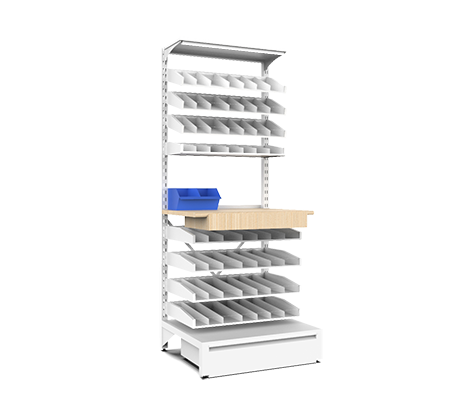
Adjustable shelving accommodating different user heights and physical capabilities
Weight capacity planning ensuring structural integrity for heavy IV solutions and bulk containers
Safe access systems for high-level storage including rolling ladders and retrieval aids
Lighting integration providing adequate illumination for reading small labels and dosage information
Advanced Storage System Typologies
Automated Storage and Retrieval Systems (ASRS)
Revolutionizing pharmacy operations through technology integration:
Robotic dispensing units that automatically select, package, and dispense medications
Vertical carousels bringing items to ergonomic work height while maximizing density
Horizontal carousels providing high-density storage with rapid retrieval capabilities
Robotic picking systems that work alongside human staff to fulfill prescriptions
Smart Shelving Technologies
Incorporating digital intelligence into physical storage systems:
Weight-sensing shelves providing real-time inventory tracking and automated reordering
RFID-enabled systems tracking individual medication packages throughout the storage system
Integrated lighting systems guiding staff to specific medication locations
Digital display capabilities showing inventory levels, expiration dates, and restocking needs
Specialized Storage Solutions
Addressing unique pharmaceutical requirements:
Narcotics vaults with enhanced security features and controlled access systems
Temperature-controlled environments for biologics, vaccines, and specialty medications
Hazardous drug storage with proper ventilation and containment protocols
Refrigerated systems with temperature monitoring and backup systems
Integration with Pharmacy Workflow Technologies
Pharmacy Management System Connectivity
Seamless data exchange between storage systems and operational software:
Real-time inventory synchronization between physical stock and digital records
Expiration date tracking with automated rotation and alert systems
Lot number tracking supporting recall management and medication tracing
Usage analytics informing storage optimization and restocking parameters
Automated Dispensing Cabinet Integration
Coordinating central pharmacy storage with point-of-care medication access:
Restocking workflow optimization between central pharmacy and satellite cabinets
Inventory level coordination maintaining par levels across multiple locations
Emergency access protocols for after-hours medication needs
Usage data collection informing formulary decisions and storage allocations
Intravenous Workflow System Support
Specialized storage considerations for IV preparation areas:
Clean room storage maintaining sterility of components and finished products
Workstation-integrated storage providing components at point of preparation
Hazardous drug preparation zones with appropriate containment and storage
Batch preparation support for standardized IV products
Material Selection and Construction Considerations
Durability and Cleanability
Pharmaceutical storage environments demand specific material properties:
Medical-grade stainless steel offering corrosion resistance and easy cleaning
Powder-coated finishes providing durability while reducing glare
Seamless construction eliminating areas where contaminants might accumulate
Chemical resistance withstanding cleaning agents and accidental spills
Regulatory Compliance Materials
Meeting healthcare facility requirements:
Fire-rated materials for narcotics storage and hazardous medication cabinets
Non-porous surfaces supporting infection control protocols
Documentation of materials meeting regulatory requirements for healthcare environments
Load certification for seismic zones and weight-bearing requirements
Sustainability Considerations
Environmental responsibility in storage system manufacturing:
Recycled content in manufacturing materials
Recyclability at end of product life cycle
Low VOC emissions maintaining indoor air quality
Durable construction reducing replacement frequency and waste
Implementation Process for Custom Storage Solutions
Assessment and Planning Phase
Laying the groundwork for successful implementation:
3D laser scanning capturing existing space conditions with millimeter accuracy
Workflow simulation modeling different storage configurations virtually
Stakeholder engagement involving pharmacists, technicians, and procurement staff
Regulatory review ensuring compliance with pharmacy board requirements
Phased Implementation Strategies
Minimizing disruption to pharmacy operations:
Modular installation allowing continued operation during implementation
Temporary storage solutions maintaining medication access during transition
Staff training programs ensuring smooth adoption of new systems and workflows
Performance benchmarking establishing metrics for success measurement
Post-Implementation Optimization
Continuous improvement after installation:
Usage pattern analysis identifying further optimization opportunities
Adjustment protocols for seasonal variations and formulary changes
Maintenance programs ensuring long-term performance and reliability
Technology updates keeping systems current with software advancements
Measuring Return on Investment
Quantitative Performance Metrics
Evaluating the financial and operational impact:
Inventory reduction through improved turnover and reduced waste
Labor efficiency measuring time savings in medication retrieval and restocking
Error reduction tracking medication mishandling and misselection events
Space utilization calculating storage density improvements
Qualitative Benefits Assessment
Considering less tangible but valuable outcomes:
Staff satisfaction improvements from better working conditions
Patient safety enhancements through reduced medication errors
Regulatory compliance improvements with audit performance
Operational resilience during high-volume periods or staff shortages
Voice-activated systems allowing hands-free operation in sterile environments
Computer vision verifying medication selection and reducing errors
Flexible and Adaptable Systems
Responding to changing healthcare needs:
Reconfigurable systems accommodating new medication formats and packaging
Scalable solutions supporting pharmacy expansion and contraction
Mobile storage units serving multiple functions within healthcare facilities
Pop-up pharmacy concepts for emergency response and temporary facilities
Sustainability Advancements
Environmental considerations in storage system design:
Energy-efficient systems reducing power consumption for automated units
Circular economy principles designing for disassembly and reuse
Biophilic design elements incorporating natural materials where appropriate
Carbon footprint reduction through local manufacturing and material selection
Conclusion: The Strategic Value of Customized Storage Solutions
Custom pharmacy shelving has transitioned from passive storage to active operational infrastructure that significantly contributes to medication safety, operational efficiency, and staff well-being. The complexity of modern pharmaceutical practice demands storage solutions that address specific workflow challenges while accommodating technological advancements and regulatory requirements.
The investment in custom pharmacy storage solutions delivers returns across multiple dimensions: reduced medication errors, improved inventory management, enhanced staff satisfaction, and better space utilization. As pharmacy practice continues to evolve with new medications, technologies, and delivery models, customized storage systems provide the flexibility to adapt while maintaining the highest standards of patient care.
The most successful implementations emerge from collaborative partnerships between pharmacy professionals, storage specialists, and designers who together create solutions that reflect the unique character and requirements of each pharmacy environment. By viewing storage infrastructure as a strategic asset rather than a simple necessity, healthcare organizations can unlock significant value while advancing their primary mission of patient safety and quality care.